Christmas Funny Typography Tee Design: Streamlining Your Holiday Print-on-Demand Workflow
The holiday season represents one of the most significant revenue windows for print-on-demand (POD) entrepreneurs, independent creators, and small business owners. However, the sheer volume of competition during December means that standing out requires more than just a generic festive image. It demands speed, versatility, and a design that resonates with current cultural humor. This is where a Christmas Funny Typography Tee Design becomes an essential asset in your creative toolkit. By leveraging pre-made, fully customizable typography templates, you can bypass the initial bottleneck of concept generation and focus on execution, distribution, and marketing.
This article outlines how to integrate high-quality, funny Christmas typography into your existing workflow, ensuring you maximize efficiency without sacrificing brand consistency or design quality. Whether you are managing a Shopify store, listing on Etsy, or creating personal gifts, understanding the technical and strategic implications of using vector-based typography assets will significantly improve your output.
Understanding the Asset: From Concept to Vector File
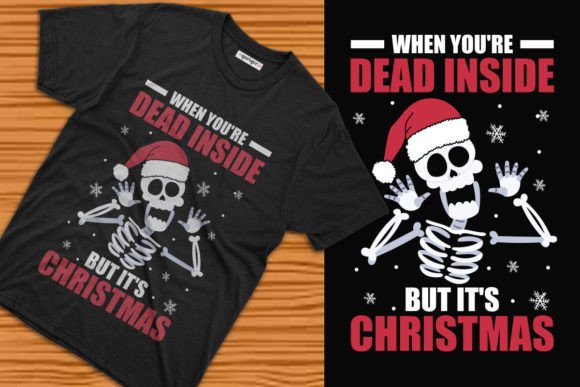
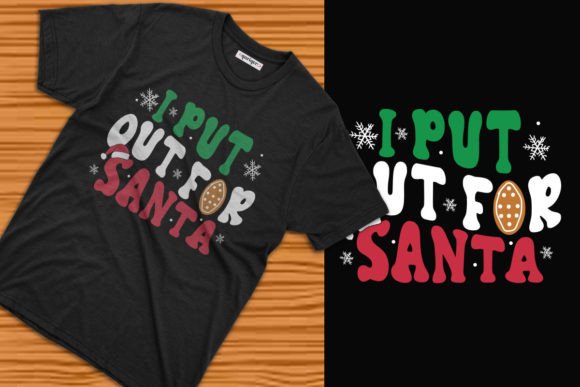
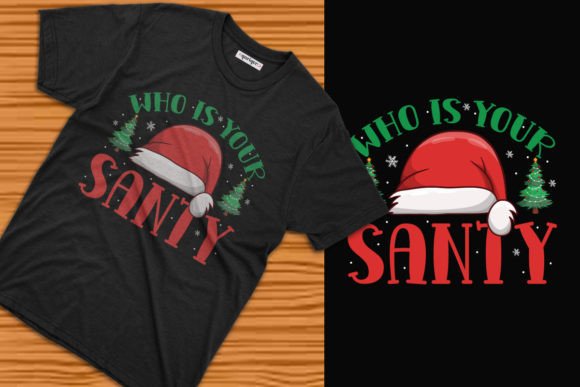
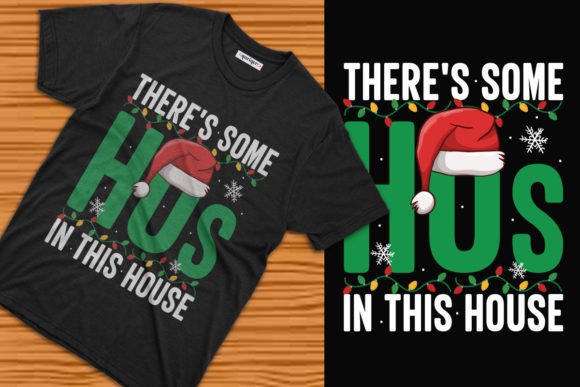
A "Christmas Funny Typography Tee Design" typically refers to a graphic composition where the primary visual element is text—often utilizing puns, pop culture references, or witty seasonal greetings—arranged in a visually appealing manner. Unlike complex illustrations that require extensive rendering time, typography designs rely heavily on font pairing, kerning, spacing, and color contrast. The appeal lies in their readability and immediate emotional connection with the viewer.
For professionals and hobbyists alike, the value of these designs lies in their format. When we discuss receiving AI, EPS, SVG, and PNG files, we are talking about a multi-layered approach to file utility:
- AI (Adobe Illustrator) and EPS (Encapsulated PostScript): These are vector formats. They allow you to scale the design to any size—from a tiny sticker to a large banner—without losing resolution. For a POD business, this is critical because different products have different print requirements. A hoodie needs a larger, higher-resolution file than a mug.
- SVG (Scalable Vector Graphics): Ideal for cutting machines (like Cricut or Silhouette) if you are doing physical crafting alongside digital sales. It also ensures crisp edges on web displays.
- PNG (Portable Network Graphics): Raster images with transparent backgrounds. These are ready-to-upload files for platforms like Redbubble, Teespring, or Amazon Merch. They provide an instant solution when you need to list a product quickly without opening design software.
By having access to all four formats from a single compressed package, you eliminate the need to convert files manually, saving hours of administrative work during the peak holiday rush.
Strategic Preparation Before Design Implementation
Before diving into the customization process, it is vital to assess your target audience and platform constraints. Not all typography works well on all garments. Darker fabrics often require lighter, bold fonts to ensure legibility, while lighter fabrics can handle intricate, thinner script styles.
Start by selecting your base template. Since the design is freshly made and customizable, you should first evaluate the font weights and styles included. If you are targeting a professional demographic looking for dry humor, choose sans-serif fonts with clean lines. If your audience leans towards family-oriented, chaotic holiday fun, a handwritten or distressed brush script might be more appropriate. This initial decision dictates the tone of your entire product line.
Next, consider the color palette. While red and green are traditional, modern trends often favor muted tones, neon accents, or monochromatic schemes. Ensure that the text contrast meets accessibility standards; if customers cannot read the joke from a thumbnail view, they will not click. Use the AI or EPS files to experiment with color swaps rapidly. Because these are vector layers, changing the fill color of the text takes seconds rather than minutes.
Integration Into Your Production Workflow
Once you have customized the typography to fit your brand voice, the next step is integrating the design into your product mockups. This is where the versatility of the template shines. A single funny Christmas phrase can be applied across a diverse range of merchandise, but each item requires specific technical adjustments.
Apparel: T-Shirts, Hoodies, and Jumpers
For apparel, the placement of the typography is as important as the text itself. Center-chest placements are standard for t-shirts, but pocket-sized prints are trending for hoodies and sweatshirts. Using the SVG or AI file, you can easily resize and reposition the text layer to fit these different zones. Ensure that the DPI (dots per inch) is set correctly for direct-to-garment (DTG) printing, typically 300 DPI at the final print size. If you are using a POD provider, upload the PNG version for immediate preview, but keep the vector source file for future bulk updates.
Home Goods and Accessories: Mugs, Pillows, and Bags
Mugs present a unique challenge due to their curvature. Typography designed for flat surfaces may appear distorted if not accounted for in the mockup phase. However, since you have the editable source files, you can adjust the baseline of the text to follow a subtle curve if necessary, or simply center it for a minimalist look. For pillows and bags, consider how the fabric texture interacts with the ink. Bold, thick typography tends to reproduce better on textured surfaces like canvas tote bags than fine, delicate scripts.
Digital Products: Stickers and Poster Cards
The sticker market is highly competitive. To stand out, your typography must be distinct. Use the PNG files with transparent backgrounds to create die-cut stickers. Experiment with adding simple borders or drop shadows in your design software to make the text pop against various background colors. For poster cards, leverage the high resolution of the AI/EPS files to ensure that even small text details remain sharp when printed on glossy or matte paper.
Quality Control and Consistency Checks
Efficiency does not mean skipping quality control. Before publishing any design, perform a rigorous check. Zoom in to 400% on your vector file to inspect anchor points and curves. Look for overlapping paths or unintended gaps in letters. In typography, especially with custom or stylized fonts, letterforms can sometimes touch inappropriately, ruining the readability of the joke.
Additionally, verify color profiles. If you are designing for print, switch your document mode from RGB (screen colors) to CMYK (print colors). Colors that look vibrant on your monitor may appear dull in print. Adjusting these values early prevents costly reprint errors or customer dissatisfaction due to color mismatch. This step is particularly crucial when dealing with bright reds and greens common in Christmas designs.
Leveraging Templates for Long-Term Growth
Using a pre-made, customizable template is not just a shortcut; it is a strategic decision for scaling your business. By mastering one funny Christmas typography design, you can create variations for subsequent years. Change the year from "2024" to "2025," swap out a word, or invert the colors. This allows you to maintain a consistent brand aesthetic while offering fresh content annually.
Furthermore, these templates save time for beginners who may lack advanced design skills. You do not need to be a graphic designer to create a best-selling product. You only need to understand basic layout principles and have a good sense of humor. The template handles the technical heavy lifting, allowing you to focus on what matters most: connecting with your audience through relatable, festive content.
Final Considerations for Implementation
To get the most out of your Christmas Funny Typography Tee Design, organize your files systematically. Create folders labeled by format (AI, EPS, SVG, PNG) and by product type (Apparel, Home, Digital). This organization pays dividends when you need to update listings or troubleshoot print issues months down the line. Keep the original compressed archive safe, as it serves as your master backup.
Remember that the success of your holiday collection depends on timing. Start implementing these designs in October. Early birds capture the market share of shoppers looking for unique gifts before the general holiday rush. By utilizing a versatile, high-quality typography template, you position yourself to meet this demand with minimal friction, turning creative ideas into tangible products efficiently and effectively.