Toykids: Navigating the Balance Between Playful Style and Professional Design
Selecting the right typography is often the most overlooked yet critical decision in visual communication. It dictates not just how a message is read, but how it is felt. Among the myriad of typefaces available today, Toykids has emerged as a distinctive choice for designers seeking to inject energy and personality into their work. With its playful curves and youthful spirit, Toykids offers a unique aesthetic that bridges the gap between whimsical fun and polished presentation. However, using such a character-driven font requires a nuanced approach. While it is versatile enough for professional branding, it can easily tip into clutter or unprofessionalism if applied without strategic intent.
Understanding the Toykids Aesthetic
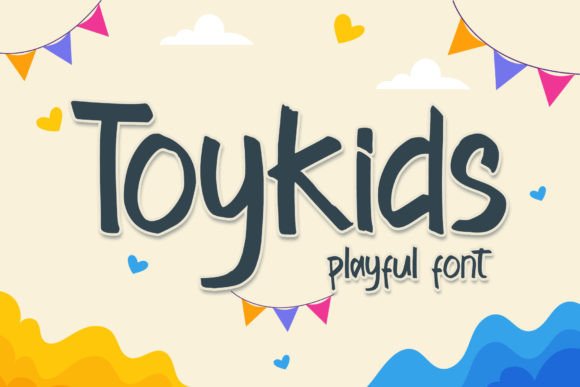
At first glance, Toykids appears to be a standard display font designed for children’s products. Yet, its appeal extends far beyond nursery decor. The font features rounded edges, varied stroke weights, and a hand-drawn quality that suggests creativity and approachability. This makes it an excellent tool for brands that want to appear friendly, accessible, and innovative. Whether you are designing a logo for a startup, creating labels for artisanal goods, or crafting a website header, Toykids can serve as a powerful visual anchor.
The versatility of Toykids lies in its dual nature. It is robust enough to hold its own in professional-looking projects while retaining the casual charm required for social media posts and event invitations. For entrepreneurs and freelancers, this duality is invaluable. It allows for a cohesive brand identity that does not feel overly corporate or stiff, fostering a connection with audiences who value authenticity and warmth.
Common Pitfalls in Using Playful Typography
Despite its charm, Toykids is not a universal solution. Many designers, particularly beginners, fall into the trap of assuming that a "fun" font can replace good layout principles. One of the most frequent mistakes is overusing Toykids in body text. Because of its distinct shapes and irregular baseline, reading long paragraphs in Toykids causes eye strain and reduces comprehension. When used for extended content, it creates visual fatigue, leading users to abandon the page or flyer prematurely. The solution is simple: reserve Toykids for headlines, titles, and short calls to action. Use clean, neutral sans-serif or serif fonts for your main body copy to ensure readability and balance.
Another common error is neglecting hierarchy. In designs where multiple elements compete for attention, using Toykids everywhere dilutes its impact. If every heading, subheading, and button uses the same playful font, the design loses structure. Instead, use Toykids to highlight key messages or brand names. Let other elements recede into the background. This contrast ensures that the viewer’s eye is drawn to what matters most, improving the overall efficiency of your communication.
Context Matters: Professional vs. Casual Applications
Evaluating the context of your project is crucial before downloading or purchasing a license for Toykids. While the font is suitable for business cards, it may not be appropriate for a law firm or a financial institution where trust and stability are paramount. In these sectors, traditional serifs or geometric sans-serifs convey authority. Conversely, for packaging, posters, flyers, and special occasion cards, Toykids shines. Its energetic vibe aligns perfectly with creative industries, educational materials, and lifestyle brands.
Consider the audience when making this decision. Are you targeting parents looking for engaging educational tools? Toykids is a strong candidate. Are you addressing investors for a tech platform? You might reconsider. Understanding your audience’s expectations helps prevent mismatches between your visual identity and your message, ensuring higher satisfaction and engagement rates.
Technical Considerations and Best Practices
Beyond aesthetic choices, there are technical aspects to consider when integrating Toykids into your workflow. First, always check the licensing terms. Fonts are intellectual property, and using them without proper authorization can lead to legal issues. Ensure you have the correct license for your specific use case, whether it is web embedding, print production, or commercial merchandise.
Kerning and spacing also play a significant role in how Toykids is perceived. Due to its rounded forms, tight letter spacing can cause characters to merge, creating illegible blobs. Conversely, excessive spacing can make the text look disjointed and weak. Take the time to adjust kerning manually, especially for large headings. Test your design at various sizes to ensure legibility remains intact across different mediums, from mobile screens to large-format banners.
- Contrast is Key: Pair Toykids with minimalist backgrounds. Busy patterns or images can clash with the font’s intricate details, resulting in a chaotic appearance.
- Color Psychology: Use colors that complement the playful tone. Bright, saturated hues work well, but muted pastels can also create a sophisticated, modern twist on the font’s inherent whimsy.
- Consistency: Limit your font palette. Using Toykids alongside three other display fonts can overwhelm the viewer. Stick to one primary font (Toykids) and one secondary font for supporting text.
Maximizing Impact Through Strategic Application
To truly leverage the potential of Toykids, think about where it adds value rather than just decoration. For instance, in email marketing, using Toykids for the subject line or the sender name can increase open rates by standing out in a crowded inbox. On social media, it can make quotes or announcements more shareable and engaging. For educators, it can make learning materials more inviting for young students, reducing anxiety around complex topics.
However, remember that less is often more. A single word or phrase in Toykids can carry more weight than a full sentence. Use it to emphasize emotions, excitement, or creativity. Avoid using it for data-heavy presentations or technical documentation where clarity is the top priority. By being selective, you preserve the novelty and appeal of the font, keeping your designs fresh and effective over time.
Final Thoughts on Choosing Toykids
Choosing Toykids is not just about picking a pretty font; it is about communicating the right personality. It signals that your brand is approachable, creative, and human. But this signal must be clear and consistent. Avoid the temptation to use it everywhere because it looks nice. Instead, apply it strategically where its playful spirit enhances your message. Check your licenses, test your layouts, and always prioritize readability. When used correctly, Toykids can transform ordinary designs into memorable experiences, helping you connect with your audience on a deeper level.
For creators, marketers, and small business owners, the key takeaway is intentionality. Don’t let the font dictate your design; let your strategy guide the font. By understanding its strengths and limitations, you can avoid common pitfalls and create visuals that are both stylish and effective. Toykids is a powerful tool in your design arsenal, but like any tool, its effectiveness depends on the skill and care with which it is wielded.