Mastering Elegance: How the Watermelon Font Transforms Digital and Print Design
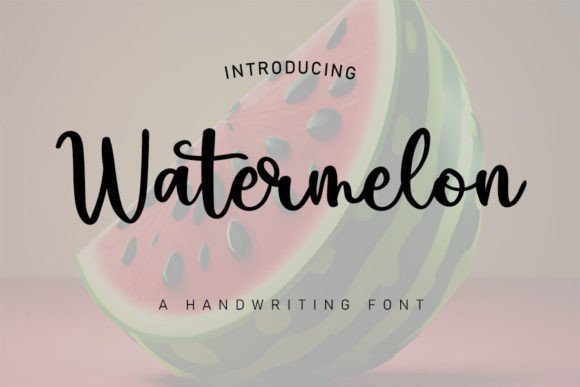
In the vast landscape of typography, where thousands of typefaces compete for attention, finding a font that strikes the perfect balance between casual charm and sophisticated elegance is often a challenge. Enter Watermelon, a stylish and incredibly elegant handwritten font that has quickly become a favorite among designers, event planners, and creative entrepreneurs. Unlike rigid geometric sans-serifs or overly ornate serif fonts, Watermelon offers a unique middle ground—a fluid, organic script that feels personal yet polished.
This article explores why Watermelon is more than just a pretty face; it is a powerful tool for communication. Whether you are designing wedding invitations, crafting thank-you cards, or building a brand identity, understanding how to leverage this typeface can elevate your projects from ordinary to extraordinary.
The Anatomy of Elegance: What Makes Watermelon Special?
To understand the power of Watermelon, one must first look at its design characteristics. As a handwritten font, it mimics the natural flow of human penmanship. However, unlike some script fonts that can be difficult to read or appear chaotic, Watermelon is meticulously crafted for legibility without sacrificing style.
- Fluid Connectors: The letters connect with a smooth, continuous motion, creating a sense of movement and grace across the page or screen.
- Balanced Weight: The stroke weight is consistent enough to remain readable at smaller sizes but varied enough to show the "hand" behind the lettering.
- Modern Aesthetic: While it evokes a traditional calligraphic feel, its curves are soft and contemporary, avoiding the stuffiness of older, formal scripts.
This combination makes Watermelon incredibly versatile. It does not scream for attention like a bold display font; instead, it whispers sophistication, inviting the reader to lean in and appreciate the details.
Wedding and Event Design: Setting the Tone
Perhaps no other industry relies so heavily on typography as the wedding and event sector. Couples spend months curating every detail, from floral arrangements to table linens, and typography plays a crucial role in setting the emotional tone. This is where Watermelon shines brightest.
The Wedding Invitation Suite
A wedding invitation is often the first interaction a guest has with the couple’s story. Using Watermelon for the names of the bride and groom creates an immediate impression of romance and intimacy. Because the font looks handwritten, it adds a layer of personalization that machine-printed text simply cannot replicate. Imagine the main heading reading "Sarah & James" in Watermelon—it feels like a signature, a personal promise rather than a corporate announcement.
Furthermore, Watermelon pairs exceptionally well with simpler, cleaner fonts for the body text. A common best practice is to use Watermelon for headers and key details (like the date and venue) while using a clean sans-serif or serif font for logistical information such as dress codes or directions. This contrast ensures that the design remains visually interesting while remaining functional and easy to read.
Thank You Cards and Greeting Cards
After the event, the tradition of sending thank-you notes continues the narrative. A handwritten font on a printed card bridges the gap between digital efficiency and the warmth of actual handwriting. For businesses, using Watermelon on greeting cards during holidays or client appreciation weeks signals care and thoughtfulness. It suggests that the sender took extra time to craft a message that feels bespoke, even if it was mass-produced.
Brand Identity: Humanizing Your Business
In an era dominated by AI-generated content and sterile corporate interfaces, brands are increasingly seeking ways to appear more human and approachable. Typography is one of the most effective tools for achieving this. Watermelon can serve as a cornerstone for brand identities that value creativity, craftsmanship, and personal connection.
Logos and Wordmarks
For boutique businesses—such as bakeries, florists, beauty salons, or artisanal shops—a logo designed with Watermelon can instantly communicate quality and artistry. Consider a local bakery named "Sweet Crumb." A logo featuring their name in Watermelon suggests that their pastries are made by hand, with love and precision. It differentiates them from large chain competitors who might rely on blocky, industrial fonts.
However, there is a caveat. When using a handwritten font for a logo, readability is paramount. Ensure that the font size is large enough and that the background provides sufficient contrast. A good rule of thumb is to test the logo in black and white first; if it loses its impact without color, the design may need refinement.
Business Cards and Stationery
Your business card is a tactile extension of your brand. Printing a name or title in Watermelon on high-quality cardstock adds a luxurious touch. It invites the recipient to keep the card rather than discarding it. For freelancers, consultants, or creatives, this small detail can reinforce their professional image as someone who pays attention to aesthetics and detail.
Practical Applications in Modern Creativity
Beyond weddings and branding, Watermelon finds its place in various other creative endeavors. Its adaptability allows it to fit into social media graphics, blog headers, and even merchandise design.
Social Media Content
In the fast-scrolling world of Instagram and Pinterest, visuals must stop the user in their tracks. Quotes overlaid on images are a popular format, and Watermelon is ideal for these text-heavy graphics. Its elegant curves stand out against busy backgrounds, making quotes from influencers, authors, or motivational speakers pop. The font adds a layer of authority and grace to simple messages, encouraging shares and saves.
Print-on-Demand Products
Entrepreneurs selling print-on-demand products, such as mugs, tote bags, and posters, often struggle to find fonts that look good on physical items. Watermelon’s clear structure ensures that text remains legible when scaled down or curved around objects. This makes it a safe yet stylish choice for designers looking to create merchandise that appeals to customers seeking personalized gifts.
Common Misconceptions and Best Practices
While Watermelon is a powerful tool, it is not a one-size-fits-all solution. Understanding its limitations is just as important as knowing its strengths.
- Legibility vs. Style: Do not use Watermelon for long paragraphs of text. Handwritten fonts are designed for short bursts of text—titles, headings, and short phrases. Using it for body copy will fatigue the reader and reduce comprehension.
- Pairing Fonts: Avoid pairing Watermelon with other script fonts unless you are highly experienced. The safest bet is to pair it with a neutral, simple font. Think of Watermelon as the jewelry in an outfit; it should complement the clothing, not clash with it.
- Kerning and Spacing: Handwritten fonts often have specific kerning (spacing between letters) built into the software. Resist the urge to manually adjust spacing too much, as this can disrupt the natural flow of the letters. Let the font designer’s work speak for itself.
Conclusion: The Power of Personal Touch
In conclusion, Watermelon is more than just a font; it is a stylistic choice that emphasizes humanity, elegance, and care. In a digital world that often feels cold and impersonal, the warm, flowing lines of a handwritten typeface remind us of the human hand behind the creation. Whether you are designing a stunning wedding invitation, a memorable logo, or a heartfelt thank-you note, Watermelon provides the perfect vehicle for your message.
By understanding its strengths and respecting its limitations, you can harness the full potential of this elegant typeface. So, the next time you sit down to design, consider adding a touch of Watermelon. Let your designs flow with grace, and watch as your audience responds to the subtle, sophisticated elegance you’ve brought to the table.
Explore more font resources to discover how typography can transform your creative projects.