Rejoice: Evaluating a Handwritten Script for Personalized Design Projects
In the realm of graphic design and typography, few elements carry as much emotional weight as handwriting. It signals intimacy, authenticity, and a personal touch that machine-generated text simply cannot replicate. Among the various script fonts available to designers today, Rejoice has emerged as a notable option for those seeking a casual, hand-written aesthetic without sacrificing legibility or style. But is it the right tool for your specific project? This analysis explores the characteristics of Rejoice, its ideal use cases, and how it compares to broader categories of handwritten typefaces to help you make an informed decision.
The Aesthetic Identity of Rejoice
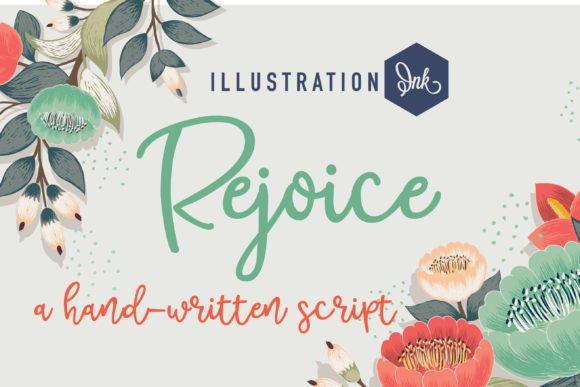
At first glance, Rejoice presents itself as a friendly, easy-going script. Its defining characteristic is its natural look; it avoids the rigid uniformity of standard sans-serif fonts while steering clear of the overly ornate flourishes found in formal calligraphy scripts. The result is a typeface that feels approachable yet stylish. This balance is crucial for modern design, where the goal is often to appear professional without feeling sterile.
The font’s versatility stems from its consistent stroke weight and fluid connections between letters. Unlike some handwritten fonts that struggle with readability at smaller sizes, Rejoice maintains a clear structure. This makes it suitable for a wide array of applications, from large-scale display text to smaller body copy in digital formats. The "extraordinary" feel mentioned in its description comes from this ability to elevate simple layouts, adding a layer of customization that feels bespoke rather than mass-produced.
Distinguishing Features
- Natural Flow: The letterforms mimic the organic rhythm of human writing, avoiding the robotic precision of vector-based scripts.
- Balanced Legibility: While stylized, the characters remain distinct and easy to read, preventing viewer fatigue.
- Versatile Tone: It strikes a middle ground between playful and elegant, making it adaptable to various brand voices.
Ideal Use Cases and Applications
Understanding where Rejoice shines requires looking at the types of projects that benefit from a personalized touch. Because the font carries a strong emotional connotation, it is most effective when used in contexts that require connection and warmth.
Wedding and Event Stationery
One of the strongest fits for Rejoice is wedding invitations and related stationery. Weddings are inherently personal events, and couples often seek fonts that reflect their unique story. Rejoice’s casual elegance works well for save-the-dates, RSVP cards, and menus. It provides a sense of celebration without the formality of traditional script fonts like Great Vibes or Edwardian Script. For designers working on bridal branding, Rejoice offers a way to create a cohesive look that feels both modern and timeless.
Personal Branding and Logos
For small business owners, bloggers, or creatives, establishing a personal brand is essential. A logo designed with Rejoice can instantly communicate approachability and craftsmanship. This is particularly effective for:
- Craft Businesses: Artisans selling handmade goods can use the font to reinforce the "handmade" narrative.
- Lifestyle Blogs: Personal blogs focusing on travel, food, or family life benefit from the intimate feel of a handwritten header.
- Consultants and Coaches: Professionals who rely on one-on-one relationships may find that Rejoice helps soften their corporate image, making them seem more accessible.
Quotes and Social Media Graphics
In the age of social media, visual content must capture attention quickly. Quote graphics are a staple of platforms like Instagram and Pinterest. Rejoice’s stylish appearance ensures that text-heavy images stand out in a crowded feed. Its natural look pairs well with minimalist backgrounds, allowing the typography to take center stage. However, designers should be mindful of contrast and spacing to ensure the message remains clear.
Comparing Rejoice to Other Typography Options
When selecting a font, it is helpful to compare Rejoice against other common approaches in the market. This comparison highlights where Rejoice fits within the broader landscape of design resources.
Rejoice vs. Formal Calligraphy Scripts
Formal calligraphy fonts often feature dramatic variations in stroke width, elaborate swashes, and complex ligatures. While these fonts exude luxury and tradition, they can be difficult to read and time-consuming to edit. Rejoice, by contrast, is simpler. It lacks the extreme flourishes of high-end calligraphy, which makes it more forgiving for beginners and more versatile for everyday use. If your project requires a sense of grandeur or historical significance, a formal script might be better. However, for a modern, clean aesthetic, Rejoice is often the superior choice due to its ease of use and contemporary feel.
Rejoice vs. Standard Sans-Serif Fonts
Sans-serif fonts like Helvetica or Arial are the workhorses of design—clean, neutral, and highly readable. They are safe choices but often lack personality. Using Rejoice instead of a standard sans-serif injects character into a design. The trade-off is that Rejoice demands more attention; it cannot be used extensively for long-form body text without risking readability issues. Therefore, a common strategy is to pair Rejoice with a neutral sans-serif font. The script handles headlines and key phrases, while the sans-serif manages informational content. This combination leverages the strengths of both typefaces.
Rejoice vs. Digital Handwriting Fonts
There is a category of fonts designed to look exactly like quick, messy notes. These fonts are great for informal, youthful, or chaotic designs. Rejoice sits above this category in terms of polish. It is not intended to look like a hasty scribble but rather a deliberate, practiced hand. This distinction is important for professional projects where a sloppy appearance could undermine credibility. Rejoice offers the *feel* of handwriting without the potential downsides of poor execution.
Tradeoffs and Limitations
No single font is perfect for every situation. When evaluating Rejoice, it is important to consider its limitations.
Readability at Small Sizes
While Rejoice is legible, its cursive nature means it does not scale down as well as block letters. Using it for fine print, such as legal disclaimers or detailed specifications, is not recommended. The connected letters can blur together on low-resolution screens or when printed in small point sizes. Designers should reserve Rejoice for display purposes—titles, headers, and short phrases.
Overuse and Cliché
Because handwritten fonts are popular, there is a risk of overuse. If every competitor in your niche uses a similar script, your brand may blend in rather than stand out. To avoid this, consider how Rejoice interacts with other design elements. Pairing it with unexpected colors, textures, or layout structures can help maintain uniqueness. Additionally, be cautious of using it in industries where seriousness is paramount, such as law or finance, unless the brand identity specifically aims to subvert these norms.
Ligature and Character Set Constraints
Some handwritten fonts have limited character sets, lacking special symbols, numbers, or punctuation marks necessary for complete design needs. Before purchasing or downloading Rejoice, verify that it includes all the glyphs required for your project. A font that looks beautiful in English but fails to support accented characters or currency symbols can cause significant headaches during production.
Decision Factors: Is Rejoice Right for You?
To determine if Rejoice is the appropriate choice, ask yourself a few key questions about your project goals and audience.
- What is the emotional tone? Do you want to convey warmth, creativity, and personal connection? If yes, Rejoice is a strong candidate.
- Who is the audience? Is your audience responsive to informal, friendly aesthetics? Younger demographics and creative industries tend to appreciate this style more than conservative corporate sectors.
- What is the volume of text? Will this font be used primarily for headlines and accents? If so, Rejoice will likely serve you well. If you need to write entire paragraphs, consider pairing it with a more functional typeface.
If your project requires a customized touch that feels genuine and stylish, Rejoice offers a compelling solution. It bridges the gap between professional design and personal expression. By understanding its strengths and limitations, you can integrate it effectively into your workflow, ensuring that your final output resonates with your intended audience.
Final Thoughts on Integration
Typography is more than just choosing pretty letters; it is about communication. Rejoice communicates a specific message: that your project is thoughtful, crafted, and human-centered. Whether you are designing a wedding invitation suite, a logo for a boutique shop, or a series of inspirational quotes for social media, Rejoice provides the visual language to support that intent. By comparing it to alternatives and considering the context of its use, you can leverage its unique qualities to enhance your design’s impact. In a digital world saturated with generic templates, opting for a font like Rejoice is a strategic move toward creating memorable, differentiated content.