Exposition: A Handwritten Typeface for Distinctive Branding
In a digital landscape saturated with uniform sans-serif grids and rigid geometric forms, finding a typeface that feels genuinely human is becoming a rare commodity. Exposition enters this space not as a loud shout, but as a confident whisper—a font that looks natural, stylish, and perfect for any extraordinary project that requires a handwritten feel. It bridges the gap between organic authenticity and professional polish, offering designers and creators a tool that adds warmth without sacrificing clarity.
This is not merely a decorative script; it is a versatile style that looks lovely on wedding invitations, thank you cards, quotes, greeting cards, logos, business cards, and every other design which needs a customized touch. Whether you are building a brand identity from scratch or adding a personal signature to a corporate newsletter, Exposition provides the visual texture needed to stand out in a crowded market.
The Anatomy of Authenticity
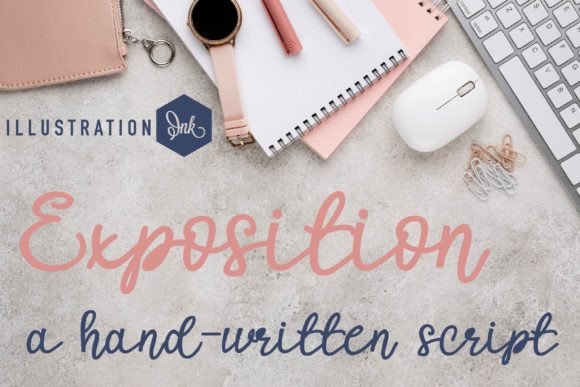
To understand why Exposition works, we must look at what makes it tick. Visually, it mimics the fluid motion of ink on paper, capturing the slight irregularities that make handwriting unique. However, unlike many display fonts that prioritize chaos over legibility, Exposition maintains a consistent baseline and rhythm. This balance is crucial for modern typography, where readability across screens and print mediums is non-negotiable.
The character set is rich with personality. The strokes have a natural taper, suggesting the pressure of a pen nib, while the ligatures flow seamlessly into one another. This creates a sense of continuity and elegance that static serif fonts often lack. It is a creative font that respects the history of calligraphy but adapts it for contemporary needs. For brands seeking to convey trust, intimacy, or artisanal quality, this visual language speaks volumes before a single word is read.
When evaluating a premium font like Exposition, consider its versatility. It is not limited to one niche. Its moderate weight and clear letterforms allow it to function effectively in both large-scale applications, such as packaging design, and smaller contexts, like social media graphics. This adaptability ensures that your brand identity remains cohesive whether viewed on a billboard or a mobile screen.
Where Exposition Shines
The strength of a typeface is often defined by its application. Exposition excels in environments where emotional connection is key. Here is how it performs across various creative disciplines:
- Wedding and Event Stationery: As a handwritten font, it naturally evokes celebration and formality. It pairs beautifully with minimalist layouts, allowing the text itself to become the primary visual element on save-the-dates and RSVP cards.
- Editorial Design: In magazines and blogs, Exposition can be used for pull quotes, section headers, or author bylines. It breaks the monotony of body text and draws the eye to important information, enhancing visual hierarchy.
- Logo Design: For small businesses, cafes, boutiques, and crafters, a logo in Exposition signals craftsmanship and care. It suggests that the product was made by hand, appealing to consumers who value authenticity over mass production.
- Packaging Design: On labels for organic foods, cosmetics, or artisanal goods, the font adds a layer of sophistication. It communicates quality and attention to detail, helping products stand out on crowded shelves.
- Social Media Graphics: In an era of fleeting content, Exposition offers a moment of pause. Used sparingly for captions or inspirational quotes, it adds a touch of elegance that encourages sharing and engagement.
For marketers and content creators, using Exposition strategically can significantly impact audience engagement. It transforms standard text into an experience. When you replace a generic sans-serif header with Exposition, you are inviting the reader into a more intimate conversation. This subtle shift in tone can improve recall and foster a deeper connection between the brand and the consumer.
Strategic Implementation and Pairing
Using Exposition effectively requires more than just dropping it into a design file. It demands thoughtful consideration of context, pairing, and licensing. Here is practical guidance for integrating this modern typography asset into your workflow.
Evaluating Project Fit
Before committing to Exposition, ask yourself: Does this project require a human touch? If you are designing a technical manual, a financial report, or a software interface, a clean sans serif font or a structured serif font might be more appropriate. Exposition is best reserved for projects where emotion, personality, or tradition are central themes. Overusing it in data-heavy contexts can lead to cognitive fatigue, reducing readability and professionalism.
The Art of Font Pairing
One of the most common questions designers face is how to pair a script or handwritten typeface. The golden rule is contrast. Exposition’s flowing, organic shapes need a counterpoint—something stable, neutral, and structured. Clean sans-serifs like Helvetica, Roboto, or Open Sans work exceptionally well as body text. Their neutrality allows Exposition to take center stage without competing for attention.
Alternatively, pairing Exposition with a classic serif font can create a timeless, editorial look. This combination works beautifully for luxury branding or high-end publishing. The key is to ensure sufficient visual distinction. If both fonts are too similar in weight or style, the design will feel muddy. Aim for a clear hierarchy: use Exposition for headlines and accents, and reserve the simpler font for paragraphs and details.
Readability and Scale
While Exposition is highly legible, it is primarily a display font. It is designed to be seen, not skimmed. Avoid using it for long blocks of text. Instead, limit its use to short phrases, titles, or isolated words. When scaling Exposition, pay attention to the spacing. Handwritten fonts often require slightly wider tracking (letter-spacing) to maintain their airy, elegant feel. Tighter spacing can cause the characters to collide, losing the natural grace that defines the typeface.
Licensing and Commercial Use
As a commercial font, Exposition comes with specific licensing terms that vary depending on the intended use. Always review the included styles and license agreements carefully. Some licenses may cover web usage, print runs, and merchandise, while others might require separate extensions for broadcast or app embedding. Understanding these nuances protects your project from legal issues and ensures that your investment in design assets is fully utilized.
For entrepreneurs and small business owners, investing in a high-quality commercial font like Exposition is an investment in brand equity. It elevates your visual communication, signaling that you value quality and detail. In a competitive market, these small touches accumulate, building a reputation for excellence and reliability.
Final Thoughts on Creative Expression
Typography is the voice of your design. Just as tone of voice differs between a casual blog post and a formal press release, so too should your typefaces change to match the message. Exposition offers a distinct voice—one that is warm, inviting, and undeniably stylish. By understanding its strengths and limitations, you can harness its power to create designs that resonate on a human level.
Whether you are a seasoned graphic designer looking to expand your toolkit or a hobbyist crafter wanting to add a professional finish to your handmade goods, Exposition provides the flexibility and charm needed to bring your vision to life. It reminds us that behind every great design is a story waiting to be told, and sometimes, the best way to tell it is with a little bit of handwriting.